 Image 1 of 5
 Image 2 of 5
 Image 3 of 5
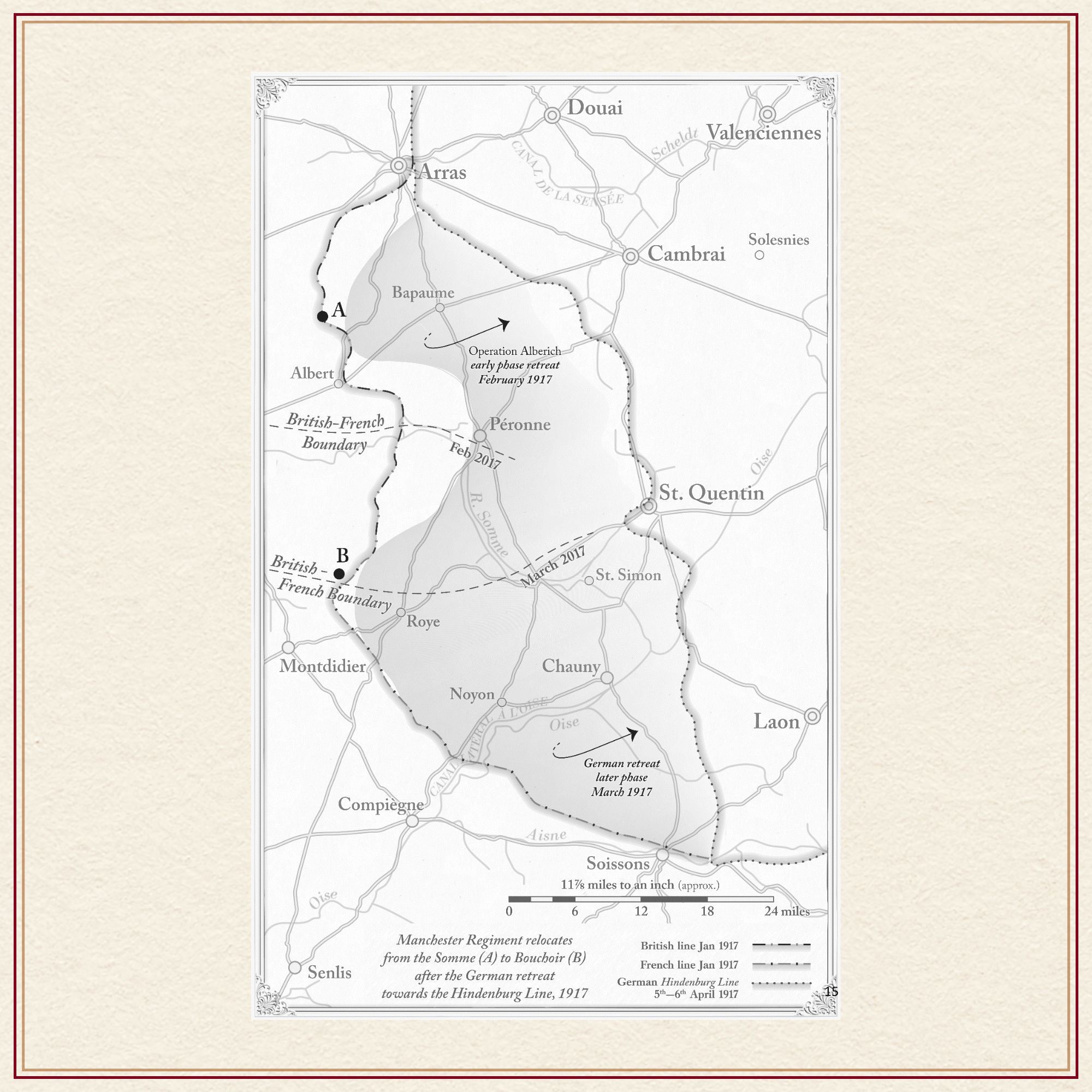 Image 4 of 5
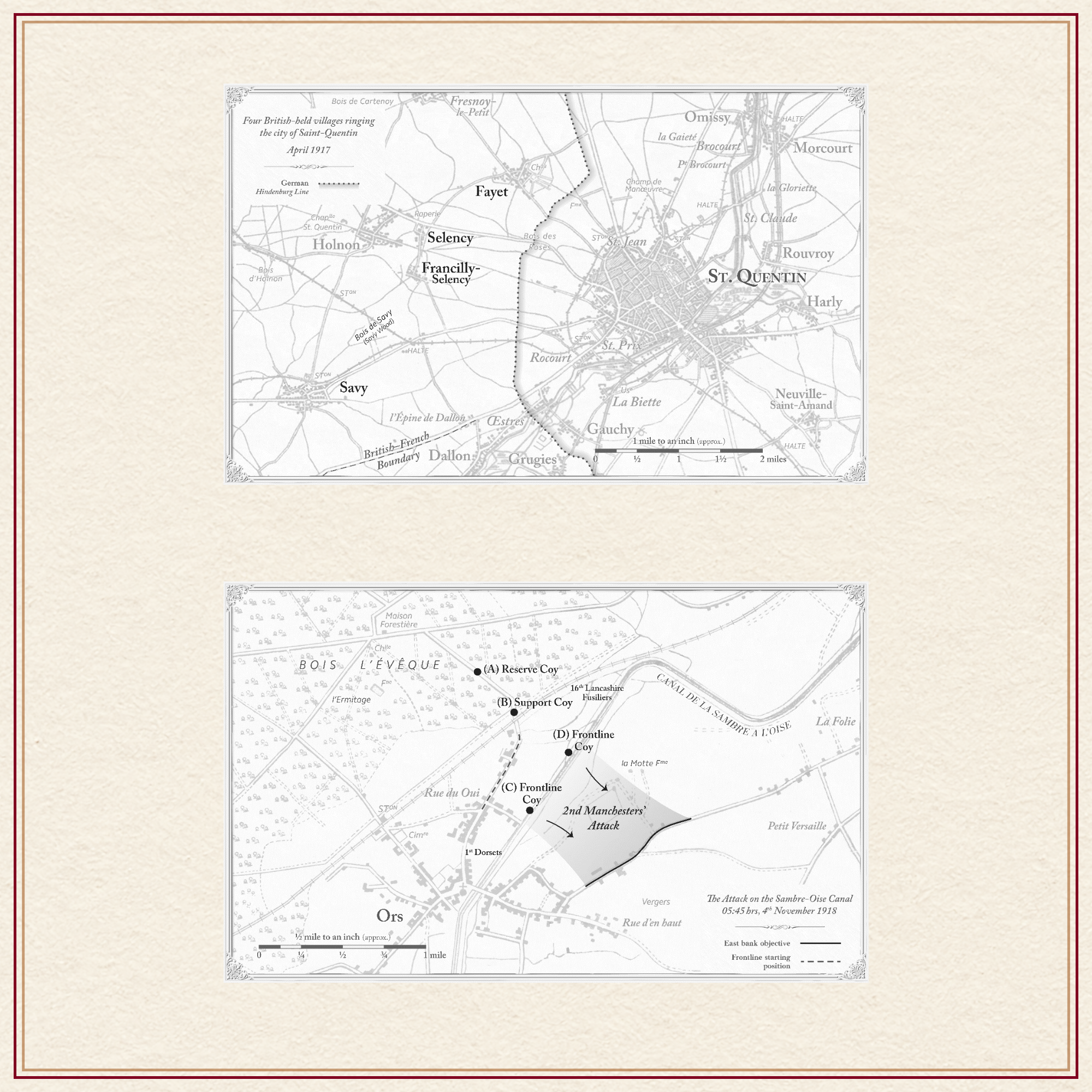 Image 5 of 5
Description:
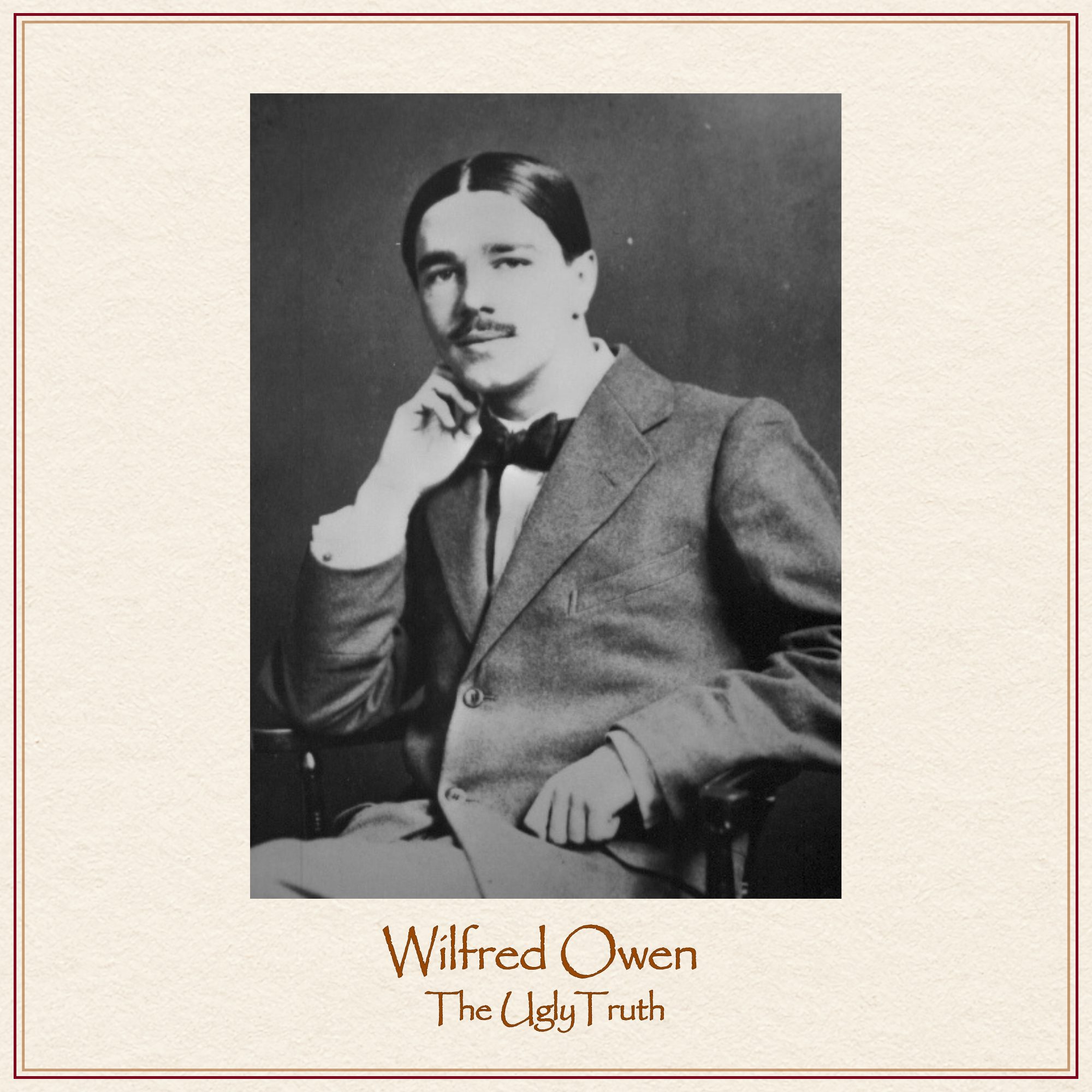
Owen’s reputation has been enhanced in the absence of historical analysis. He has been the beneficiary of family, friends and historiasters portraying a narrow focus on his war poetry for over a hundred years. What writings exist are predominantly worshipful and eulogizing. His official biography is hagiography of the most romanticized kind that relied upon 77% of its footnoting on what the Owen family permitted.
Now for the first time his life, writings and war record have been scrutinized as part of a doctoral thesis, that in turn has been expanded to a 600-page monograph. The investigation revealed previously unexplored areas of his personality, untapped files concerning his conduct and movements as an officer in the Great War and identified disturbing writings relating to his sexual proclivities.
The results drawn, with forensic substantiation, reveal:
Owen had a penchant for young boys and wrote salacious, homosexual verse about them.
His poor record as an officer, accused of cowardice, who confessed to ‘avoiding’ combat, who finally hid in the face of the enemy and was known as ‘The Ghost’ by fellow officers.
Oscar Wilde’s lover, Robert Ross, was his sexual touchstone, exerting influence over his sexual liberation and conduct such that Robert Graves said of Owen that ‘He had a reputation for being slept with.’
Poetically he wrote only 42 war poems out of his output of 175 poems. His literary trustees will not give permission for many of his non-war poems to be published as they reveal his pedagogical pedophilia.
At the outbreak of war Owen wrote pro-war Georgian poetry in the style of Rupert Brooke. It was Sassoon who became his poetic mentor and was largely responsible for altering the path of Owen’s war poems.
The book demonstrates that in his life Owen was never quite what he seemed, in death he never seemed quite what he had been.
Publication restricted to 500 copies only by the ‘fair use’ protocol of the revised Copyright Act.
~/~
Book Review: Wilfred Owen: The Ugly Truth by Andrew Ward
The reputation of Owen as the hero of the anti-heroic movement requires further re-examination, argues Barry Matthews in a new historical study, Wilfred Owen: The Ugly Truth.
The life and career of Wilfred Edward Salter Owen has become the stuff of myth and legend. And that has become a problem. His relationship with his mother set the tone for a life of contradictions. She sustained an unusually close relationship with her son throughout most of his life and indulgently nurtured his talents and aspirations. Yet an account of her separations from the young Wilfred and his siblings suggests maternal neglect. Similarly, Owen appeared to go from mediocrity and modest writing talents to an inspired writer of original and iconic anti-war poetry based on only a few weeks of frontline duty. He spent most of the war up to and beyond his first combat experience in January 1917 avoiding action to the point of cowardice, before going on to fight like a man possessed to earn the MC and die leading his men in the ultimate Battle of the Sambre-Oise. For much of his short life he was a snobbish aesthete with aspirations to social and cultural superiority and yet his best poems now stand as advocacy for the plight of the ordinary Tommy cruelly misled by propaganda and bungled strategy and left to flounder in appalling conditions. Central to these contradictions is that a man who is presented as a military and literary hero had a sexual life that many then and since would consider distinctly at odds with any conventional definition of ‘hero’. The myths and legends have evolved when these polarities have not been sufficiently recognised or explained. Even in the face of the rationality, scepticism and cynicism of the twenty-first century these myths and legends have endured to the point where the truth has been stretched beyond breaking point.
Despite periods as Georgian versifier and proxy Sassoon and despite some famous detractors such as W. B. Yeats, there are few who doubt that Owen’s best poems shaped our perception of war poetry in general and modern poetry in particular. Most agree that, in terms of subject matter and style, Owen broke old moulds and created new ones. He deserves attention and reputation. Debates about the extent to which poems such as ‘Dulce et Decorum Est’ are based on direct experience aside, the combination of anger and pity that spoke for so many then and since have secured a reputation that few would dismiss.
Barry Matthews is not the first to call for truth to balance out the myth and legend. However, he goes further than any other biographer in his insistence that, in the process, unpleasant and uncomfortable facts need to be faced. Beyond common frailties such as affectation, pretension and self-centredness, Matthews reveals an almost pathological desire on Owen’s part to deceive others, including himself. A case in point is Owen’s account of his five day ‘absence’ from service with the 2nd Manchesters after being discharged from a casualty clearing station at Cerisy-Gailly. Owen’s letters not only obscure this period but fashion some of his activities as heroic exploits in the face of battle. Matthews scrutinises this and other gaps in Owen’s war narrative that shed new light on his nickname amongst fellow officers- ‘The Ghost’.
More boldly, Matthews is unflinching in his scrutiny of Owen’s sexual predilections. Jon Stallworthy and Harold Owen before him refused to accept even that Owen was gay, presumably to preserve his reputation. Dominic Hibberd began the campaign to revise this view and Matthews very much continues in his pioneering footsteps. However, even very recent biographies such as Cuthbertson’s (2014) tend to deal in euphemisms downplaying any suggestion that Owen was involved in immorality or illegality. Rowan Williams’ review of Cuthbertson in The New Statesman was entitled ‘The Peter Pan of the Trenches’ sharing Cuthbertson’s implied acceptance of Owen’s sexual innocence. Conversely, Matthews tackles head-on the moral ambiguities of Owen and others like him. His references to pederasty, buggery, paedophilia and the polari-coded world of illegal homosexual activity may be seen by some as sensational, but Matthews is always scrupulous in sifting documentary evidence and careful research of contexts. He makes much of Graves’ opinion that Owen had a ‘readiness to be slept with’ and frequently uses this as a focal point in his argument.
Matthews is similarly scrupulous in his critique of previous biographers and editors, figures of enormous reputation in their field such as Stallworthy. They, he argues, have missed evidence from Owen’s letters that support Matthews’ claims that Owen evaded combat and that he was not sexually innocent. Matthews goes on to argue that drafts and fragments have been ‘missed’ as accomplished poems in their own right.
Further evidence of Matthews’ boldness is in his work as a literary critic. He challenges assumptions about the quality of Owen’s writing showing that style can often triumph over sense and substance, even in works previously considered as beyond criticism such as ‘Strange Meeting’ and Owen’s ‘Preface’. Matthews is more honest than most in admitting that Owen’s experiments with metre, rhyme and ‘recycling’ images and phrases are often less than successful.
At the same time, this is not a cynical debunking of a cherished figure. Matthews is balanced in his approach. When Owen’s experiments work, Matthews is keen to analyse the power of his writing. For example, despite Robert Graves’ reservations about ‘Disabled,’ Matthews makes a persuasive case for this poem as Owen’s masterpiece. He also recognises the wonder of Owen’s transfiguration on his fateful return to the front. All biographers make this point. The originality of Matthews’ argument, however, is his thesis that Owen had no choice but to return to combat after his sojourn at Craiglockhart. He never had a diagnosis for shellshock, was declared fit for action and, according to Matthews, his former lover Charles Scott- Moncrieff’s attempts to secure him a desk job in the War Office failed. Claims that Owen was a war hero and that this enriches the power and validity of his work must be tempered by documentary facts and sometimes ugly truths.
Andrew Ward is a Principal Examiner of AS English Literature AQA Examining Board.
~/~
Available immediately in hardback at £103.00 (includes postage)